


Batch 01

Batch 02
Why Do Dye Lot Variations Occur?
Natural Fiber Characteristics
Natural fibers vary in structure, absorbency, and surface texture according to their source and processing. These differences can affect how the material absorbs and reflects color. Variation may be more noticeable in linen, cotton, silk, wool, and fabrics with visible slub, weave, or surface texture.
Dyeing Conditions
Water temperature, dye concentration, processing time, and fabric preparation influence the final color. Although dyeing formulas and procedures are carefully controlled, small variations may still occur because textile fibers naturally respond differently during production.
Washing, Drying, and Finishing
Finishing processes can affect color depth, surface texture, softness, and sheen. Depending on the fabric, finishing processes such as washing, drying, brushing, coating, or heat treatment may affect its final appearance.
Why the Same Fabric Can Look Different
Lighting, screens, lining, and surrounding finishes can all shift how a fabric reads in the room.


Lighting Conditions
Changes in sunlight throughout the day, as well as different indoor light bulbs (LED, warm, or cool), constantly alter how a fabric's color and undertone appear in your space.
Screens & Camera
Digital screens and product photography cannot fully reproduce physical color, texture, and sheen. Colors will display differently depending on your phone, monitor, or screen brightness settings.
Lining & Interlining
Lining can affect opacity, weight, drape, and perceived color. Blackout lining or interlining may make a face fabric appear deeper or more opaque, while an unlined fabric may appear lighter or more translucent.
Space & Decor
Wall color, flooring, furniture, and other textiles can influence how the eye perceives fabric color. A neutral fabric may appear warmer beside cream finishes and cooler beside gray or blue finishes.
What This Means for Your Order

Swatches & Finished Products
While a swatch is a great reference, it only represents a small area. Window scale, styling, lining, and room lighting can all influence the final look of your finished treatment.

Separate & Staggered Orders
Products purchased at different times may be made from separate dye lots. To achieve the most consistent appearance, we highly recommend ordering all your coordinating pieces together at once.

Reorders & Replacement Pieces
An additional panel or replacement ordered later may have slight dye lot differences. Before placing a reorder, please contact our design team with your original order details for best results.
How We Support
a Coordinated Result

Batch Coordination
When stock permits, Draperfect coordinates matching pieces within the same order using the same available dye lot.
For larger projects or connected spaces, the team may review fabric availability before production begins.

Fabric Inspection
Before cutting, the production team reviews the fabric for visible differences in color, texture, and overall appearance. Minor variation may remain due to the characteristics of natural and blended fibers.

Physical Fabric Swatches
Physical swatches allow customers to assess color, texture, weave, and response to light in the intended space before production.
This reduces reliance on digital images and helps confirm fabric selections before a custom order is placed.

Design Guidance
The design team can assist with fabric comparison, lining selection, and the coordination of treatments across multiple windows or rooms.
CONTACT OUR DESIGN TEAMBefore You Order
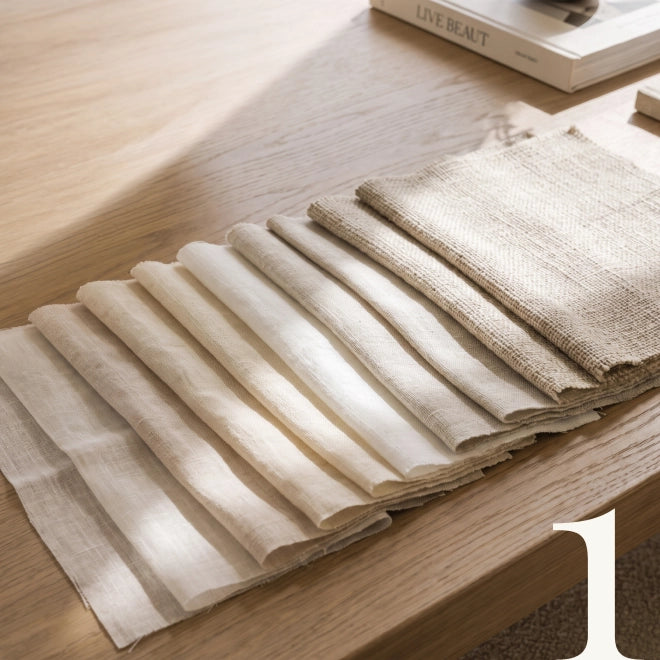
Order Fabric Swatches
Begin with physical samples of your chosen fabrics. They offer a much more accurate reference for color, texture, and weave than digital images alone.
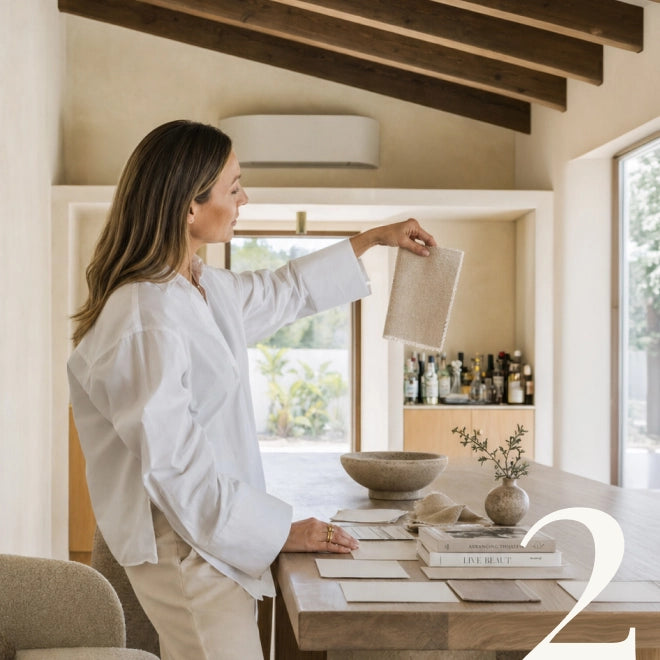
View Samples In-Room
Place your fabric samples in the exact room where the finished treatments will hang. Be sure to review them in morning, afternoon, and evening lighting.
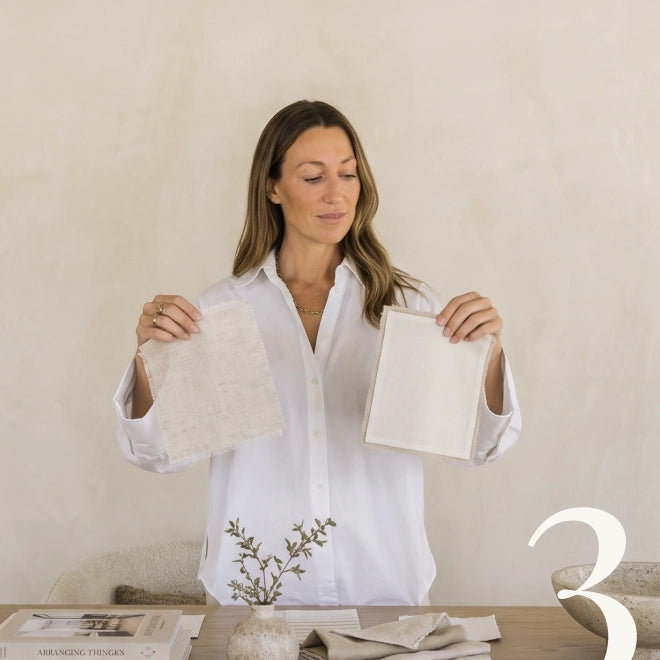
Review Lining Options
If you are considering blackout lining or interlining, always review the main face fabric together with the relevant lining sample to see the final effect.
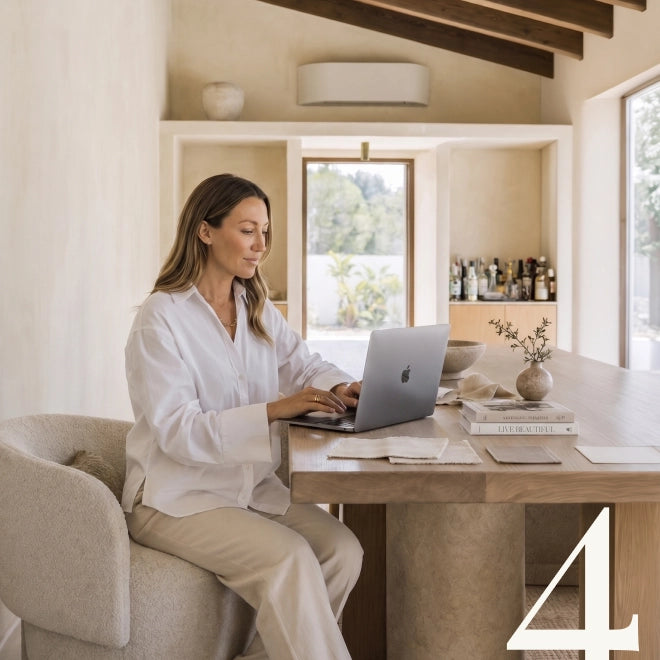
Order Pieces Together
For multiple windows, adjoining rooms, or matching curtains and shades, we highly recommend placing your entire order together to ensure a perfectly coordinated look.
A Note on Natural Variation
Slight variation may occur between swatches, separate dye lots, previous purchases, replacement pieces, and finished custom products. These differences are inherent to textile production and are generally considered part of normal textile variation.

Start With a Fabric Swatch
The most reliable way to evaluate fabric is to view it in the intended space. Order physical swatches, observe them under different lighting conditions, and place coordinating products in one order whenever possible.